Professional Fence Installation Services: Durable & Stylish Options
Skilled fence installation companies deliver a variety of sturdy and elegant solutions to satisfy various requirements. Drawing on knowledge of materials including chain link, wood, and vinyl, these experts provide visual appeal as well as enduring durability. Their knowledge of local regulations and high-quality materials results in a strong perimeter that increases property worth. Nevertheless, selecting the ideal style and material can be challenging, prompting important considerations about the most suitable option for each property.
Key Benefits of Hiring Professional Fence Installers
The experience that professional fence installers bring delivers a notable advantage to homeowners in search of quality and reliability. Such professionals carry the expertise and hands-on experience needed to confirm that fences are erected correctly and with precision. By engaging skilled installers, homeowners can prevent typical errors, such as incorrect positioning or weak support structures, that could cause costly issues later on.
Additionally, professional installers are knowledgeable about local building codes and permit specifications, reducing the complexity of the process for homeowners. Their use of specialized tools and materials ensures a superior quality finish. Furthermore, enlisting professional help can significantly reduce time; whereas a DIY method may result in prolonged project durations, experts can complete installations quickly and effectively.
Ultimately, investing in professional fence installation enhances the durability and aesthetic appeal of the property, providing homeowners with peace of mind and confidence in their investment.
How to Find the Best Fence Material for Your Situation
Picking the most suitable fence material can be challenging, especially with the myriad of options to choose from. Residents should first consider their core priorities—whether for aesthetics, privacy, or security. Wood, as an option, offers a classic look and can be customized easily, but requires regular maintenance. Vinyl fencing delivers resilience and easy care, making it an excellent choice for those prioritizing long-term durability.
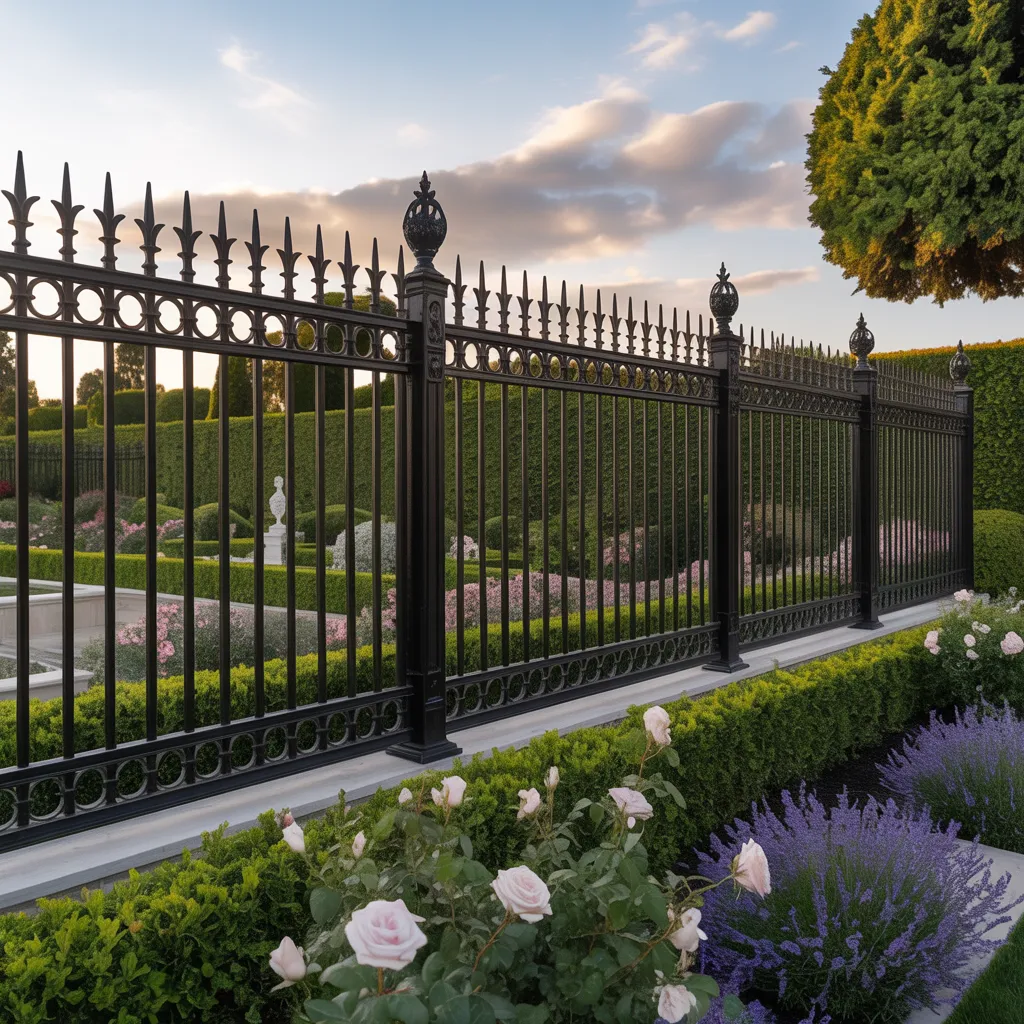
Chain-link fencing is a cost-effective solution, providing both visibility and security, but does not provide much privacy. Metal options like wrought iron or aluminum combine strength with elegance, ideal for decorative applications.
Furthermore, climatic conditions play a vital role; areas prone to moisture may necessitate materials resistant to rot or rust. Cost is also a consideration, as some materials may have higher initial investments but lower maintenance costs over time. Ultimately, considering personal tastes and practical demands will direct homeowners toward the most fitting fence material for their property.
What Fence Style Is Best Suited for Your Property?
What factors influence the selection of fencing style for a home? Several elements play an essential role in this choice, including the property's architecture, garden design, and desired function. Homeowners may opt for a timeless picket fence to complement a classic home's appeal or a modern horizontal design for contemporary aesthetics.
Moreover, privacy and security needs heavily impact the choice of style. For example, tall, solid panel fences provide seclusion, while wrought iron fencing offer a balance of visibility and security. Community guidelines and local trends further shape selections, as many communities have specific guidelines concerning fence height and materials.
Finally, the weather impacts durability and upkeep; resilient materials including vinyl or metal may be the better choice in challenging weather environments. Evaluating these factors helps homeowners to select a fencing style that not only complements their home but also fulfills their functional demands.
Assessing Your Area: Crucial Steps Before Picking a Fence Style
Prior to choosing a fence design, it is important for property owners to carefully measure their property, as exact measurements can significantly impact both appearance and practicality. The initial step involves establishing the boundary of the space designated for the fence. This requires measuring the length and width, considering any variations in the terrain, such as slopes or curves.
Additionally, residents should note the positions of utility lines, trees, and existing structures that may affect the fence installation. It is recommended to mark these measurements on a simple sketch for reference. Familiarizing yourself with local zoning laws and property lines is also important, as regulations can dictate placement and height restrictions for fencing.
Ultimately, taking into account the primary goal of the fence—whether for decorative purposes, privacy, or defining property lines—will assist homeowners in determining the most suitable style. Precise measurements ensure a seamless installation process that satisfies both visual preferences and functional requirements.
Enhancing Property Security With Fencing
Fencing plays an essential role in improving property protection through a range of materials and designs. Elements such as height and style greatly influence a fence's ability to deter intruders. Furthermore, professional installation guarantees that these features are maximized for optimal protection.
Types Of Fencing Materials
A thoughtfully picked fencing material can greatly enhance the security of a property while enhancing visual appeal. Various materials offer distinct benefits designed to meet diverse preferences. Chain-link barriers provide visibility and durability, establishing them as a budget-friendly solution for security. Timber fences, though requiring maintenance, deliver a classic appearance and can ward off unwanted visitors with their elevated stature. Vinyl fencing provides a minimal-upkeep choice that withstands the elements and discoloration, combining safety with visual appeal. For maximum strength, iron and aluminum fencing are excellent choices, pairing strong protection with refined aesthetics. Additionally, composite materials blend durability with attractive finishes, appealing to homeowners desiring a contemporary aesthetic. Every material's distinct features contribute to effective property protection while improving the home's exterior attractiveness.
Height And Design Considerations
How do the height and design of a fence play a major role in property security? A thoughtfully selected fence height can ward off potential intruders; as a rule, heights going beyond six feet form a considerable barrier. Furthermore, the design serves a critical function; solid panels deliver privacy and limit visibility, making it challenging for outsiders to examine the property. In contrast, fences equipped with sharp spikes or pointed tops can further prevent trespassing.
In addition, incorporating elements like lattice or trellises can boost the overall look while keeping security intact. It is important to find an equilibrium between style and protection, as a well-crafted design can elevate the property's overall look while serving its intended purpose. Ultimately, the perfect balance of structural height and aesthetic design can significantly improve the overall security of a premises.
Expert Installation Benefits
While numerous property owners may think about installing a fence on their own, selecting expert installation delivers significant advantages, most notably in terms of strengthening security. Professionals bring expertise that guarantees fences are built to withstand environmental challenges and deter potential intruders effectively. They examine the distinctive characteristics of the property, proposing materials and designs that simultaneously elevate visual appeal and reinforce security. Correct installation reduces gaps and structural weaknesses, limiting vulnerabilities that might otherwise be taken advantage of. Moreover, professionals have a thorough understanding of local ordinances and zoning laws, securing compliance and helping to avoid unnecessary fines. When homeowners place the installation in the hands of professionals, they can obtain a long-lasting, secure fence that increases property value and provides peace of mind, freeing them to concentrate on other key aspects of managing their property.
Helpful Maintenance Tips for Your Fence
Maintaining a fence necessitates consistent maintenance to ensure its durability and visual appearance. To guarantee the best condition, it is important to assess the fence periodically for any signs of damage, such as cracks, rust, or loose boards. Cleaning the fence with a soft soap and water mixture can eliminate grime and inhibit mold development, which is particularly vital for fences made of wood. In addition, treating the surface with a sealant or protective paint will guard the fence against environmental factors and increase its durability.
Pruning adjacent vegetation also reduces the risk of moisture retention and pest infestations. With metal fences, regular checks for rust ought to be carried out, handling any compromised areas in a timely manner. Additionally, maintaining adequate drainage around the fence can prevent water damage and soil erosion, supporting the overall stability and appearance of the fence. By implementing these basic upkeep practices, homeowners can ensure their fence remains in top shape for years to come.
Understanding Fence Project Costs
Comprehending the costs associated with a fence project includes multiple key elements. The choice of materials greatly influences general expenses, while labor expenses can differ according to the complexity of the project. Additionally, the intricacy of the installation procedure is a key factor in establishing the final price.
The Impact of Material Selection
Choosing the appropriate material options for a fence greatly influences the total project budget. Different choices, such as aluminum, wood, vinyl, and chain link, come with different price points and upkeep needs. For instance, while timber might be initially cheaper, it often demands routine maintenance, likely adding to overall costs over time. On the other hand, aluminum and vinyl offer durability and low maintenance but usually come with higher upfront costs. The decision of material also influences installation complexity, which can additionally affect the final budget. Additionally, visual preferences may guide material selection; visually appealing selections often carry higher price tags. At the end of the day, grasping the relationship between material choice and costs is crucial for homeowners and buyers seeking to balance budget with functionality and visual appeal in their fence installations.
Employee Expenses Overview
Labor costs play an essential role in establishing the full expenses of a fence installation project. These expenditures cover various factors, including the hourly rates of the skilled professionals engaged and the approximate duration needed for the job. Generally, experienced laborers command higher fees due to their experience and expertise. Furthermore, the scale and complexity of the project can significantly affect labor costs; bigger or more elaborate installations necessitate greater workforce and time. In many cases, homeowners may also encounter expenses for permits and inspections, which are necessary for compliance with local regulations. Understanding these labor expenses provides a clearer picture of the complete budget and allows for better financial planning when planning a fence installation project.
Factors Affecting Installation Complexity
When considering the financial aspects of a fence installation project, multiple complexity factors are involved. The materials chosen significantly impacts overall spending; for example, wood is often more affordable than vinyl or wrought iron but needs more consistent care. Site conditions also matter; irregular ground or pre-existing structures may complicate the process, raising the cost of labor. Furthermore, local zoning regulations and permits can add to the timeline and expenses. The fence design and height factor into the complexity; elaborate designs typically demand greater labor and skill. Lastly, opting for DIY versus professional installation considerably impacts the final expense, as professional workmanship ensures durability and quality. Understanding these factors helps in accurately estimating project expenses.
How Professional Installers Enhance Your Fence's Value
Investing in professional fence installation greatly boosts a property's appeal. Skilled installers bring expertise that guarantees fences are built to last, enhancing both durability and aesthetics. Their understanding of local rules and construction standards ensures adherence, reducing potential legal issues and associated costs for homeowners.
In addition, professional installers can recommend premium materials that complement the homeowner's goals while enhancing durability and upkeep requirements. The quality of work showcased by a skillfully installed fence not only elevates the home's aesthetic appeal but also establishes a more harmonious appearance with the neighboring landscape.
Furthermore, a well-constructed fence view this guide can offer increased privacy and security, elements that prospective homeowners typically prioritize. By opting for expert services, homeowners can rest easy that their property investment will yield a higher return when it comes to selling the property. In the end, professional fence installation turns a ordinary fence into a beneficial addition that improves the overall property value and appeal.

Frequently Asked Questions
How Much Time Does a Standard Fence Installation Require?
A standard fence installation requires one to three days, influenced by factors including the fence type, terrain, and weather conditions. Thorough planning and adequate preparation can simplify the process, promoting efficient completion and high-quality outcomes.
What Permits Do You Need for Fence Installation?
Commonly, fence installation requires permits at the local level, which can include zoning approvals and building permits. Homeowners are advised to consult municipal authorities to confirm adherence to local regulations, as guidelines vary according to location and the specific type of fence being erected.
Can I Expect Any Yard Damage During Installation?
In the course of installation, harm to the yard can take place, notably caused by large equipment or digging work. Nevertheless, experienced service providers commonly take steps to limit interference, guaranteeing the surrounding area is preserved as much as possible, leaving homeowners satisfied with the final result.
Am I Able to Install a Fence During the Winter Season?
Certainly, a fence is able to be erected during the winter season. Nevertheless, the ground might be hard and frozen, making more difficult the procedure. Adequate preparation and proper techniques are vital to maintain durability and efficiency in cold weather conditions.
What Occurs if My Fence Becomes Damaged After Installation?
If a fence is damaged later, it might need fixing or replacing, based on how severe the damage is. Regular maintenance can prolong its lifespan, while neglect might lead to additional issues and costs.